
Black, White, and Read All Over: Mini Page Food Ads
written by gabi benedit
Introduction
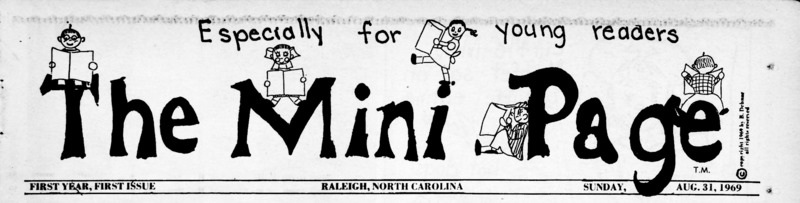
UNC’s Southern Historical Collection is home to the archives of The Mini Page, a weekly newspaper supplement for children that debuted in 1969 and ran for over 50 years. The collection was donated by educator, journalist, and Mini Page creator Betty Debnam Hunt.
The Mini Page was designed with a child audience in mind, intentionally acknowledging and encouraging their agency, curiosity, and creativity. The volume and appeal of Mini Page content led to nation-wide syndication as well as the publication of standalone activity books, teaching guides, and recipe books including The Mini Page Kids' Cookbook (1978), Mighty Funny Party Book (1979), and the Rookie Cookie Cookbook (1989).
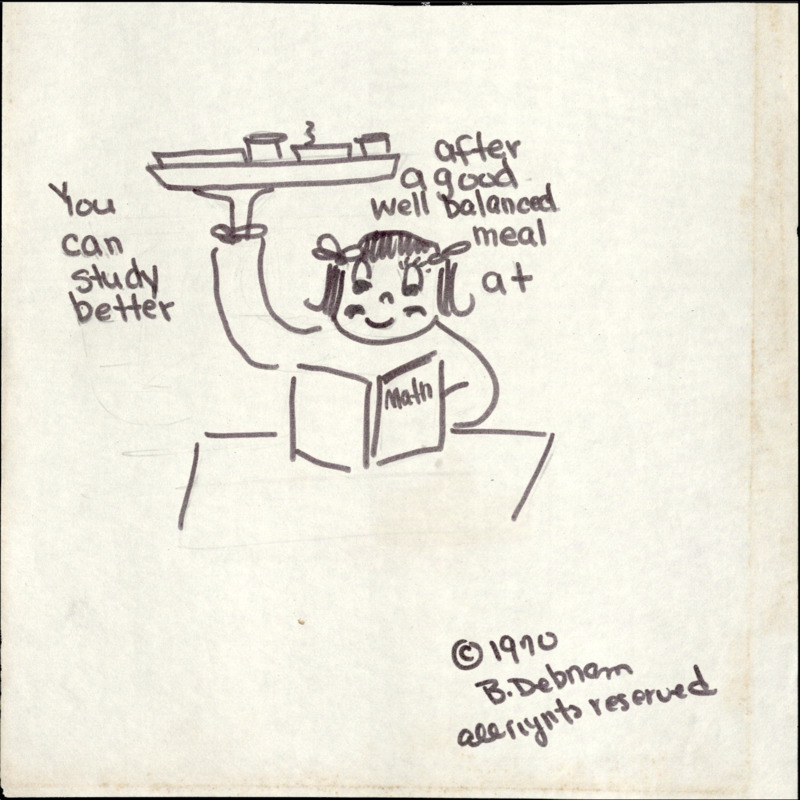
In its early days, the Mini Page began as a weekly feature tucked into the pages of the Raleigh-based News & Observer. Written and illustrated by Betty Debnam, it was jam-packed with bite-sized activities, recipes, local news, educational segments, and Wake County Public School’s weekly lunch menus. [1]
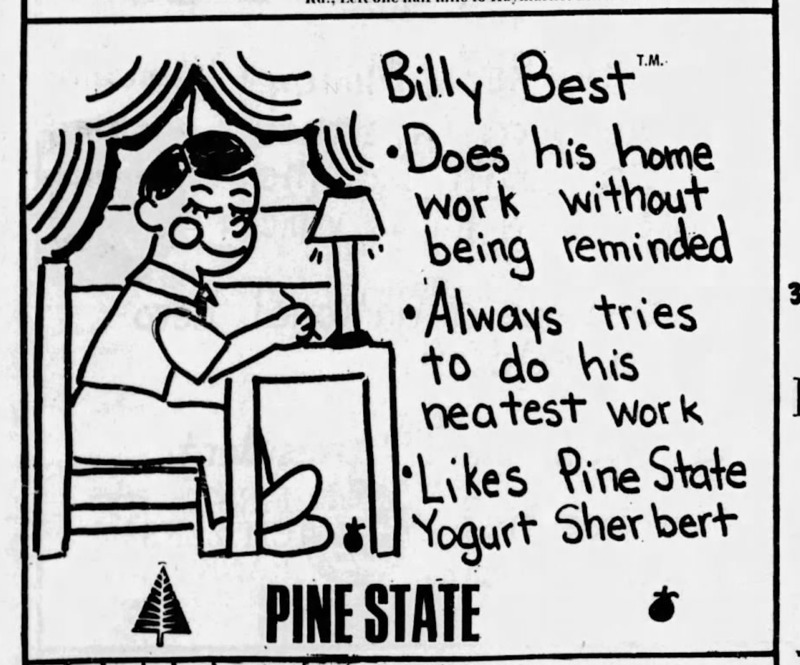
It also featured ads for local businesses, including food and beverage manufacturers and dining establishments. Geared toward children, these hand-drawn advertisements tried to balance commercialism with moralism, advertising brands as well as “good habits.”
Beginnings
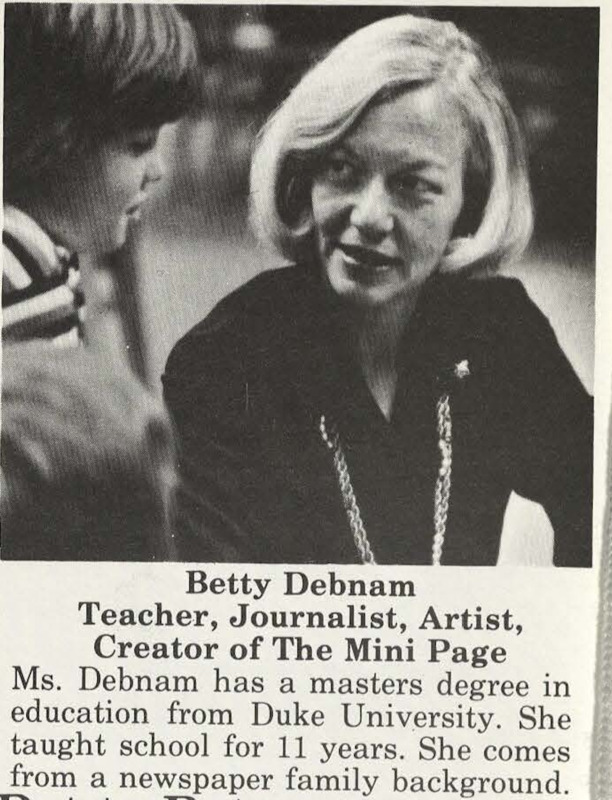
Betty Glass Debnam was born in Virginia to a journalistically-inclined family in 1929. By the early 40s the Debnam family moved to Raleigh, where Betty would graduate from St. Mary’s High School, going on to complete her undergraduate studies in political science at UNC Chapel Hill and, later, graduate studies in education at Duke. [2]
She returned to Virginia for a time, working as an advertising copywriter for Thalhimers, a Southern department store chain, and as an early elementary educator. Upon her return to Raleigh, she continued teaching at the first- and second-grade levels in Wake County. About a decade into her teaching career she began to formulate a plan to combine her background in advertising and education, her journalistic pedigree, and a zeal for children’s literacy. [3]
Betty noticed that young students more readily absorbed information when she condensed it “and spread it out on a simple sheet of paper.” [4] She came up with The Mini Page, a themed weekly newspaper feature geared toward children, and packed with activities, puzzles, jokes, illustrations, photographs, short articles, and recipes. In 1969 she began pitching the concept to editors and executives of Raleigh’s own News and Observer regional newspaper. [5]
Dave Jones, N&O’s advertising manager at the time (and later Associate Publisher as well as friend and mentor to Betty) saw promise in her idea. The major sticking point was ad sales; if she wanted to see her vision in print, she had to find a way to fund it. Jones tasked her with securing twelve ad sponsors for the paper; she came back to them with thirteen. [6]
.
.
“The idea wouldn’t have gotten off the ground there, either, if Hunt hadn’t come up with an ingenious way to make The Mini Page pay for itself on Day One. She developed advertisements that taught information as well as sold products, starring hand-drawn characters such as Frankie and Frances Furter, who worked for Jesse Jones Hot Dogs. Companies liked the homey appeal of Hunt’s ads and saw their potential to reach new audiences through The Mini Page.” [7]
Devoting herself to the project, she left classroom-bound teaching to work full time on educational journalism. Originally a one-woman operation, (with Betty as writer, researcher, illustrator, and editor) The Mini Page would eventually grow to a small team of 3-4, with Betty continuing to serve as editor. Within the publication’s first decade, no longer subject to ad sales, The Mini Page came to be syndicated by Universal Press Syndicate, eventually making its way to hundreds of newspapers across the country. [8]
Early Advertising
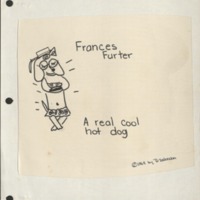
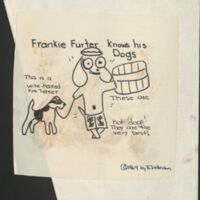
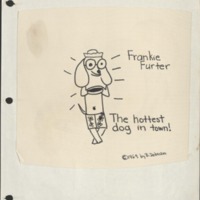
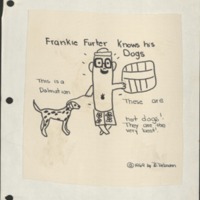
Series of four early hand-drawn drafts of ads featuring the characters of
Frankie and Frances Furter, anthropomorphic dogs and meat-packer mascots.
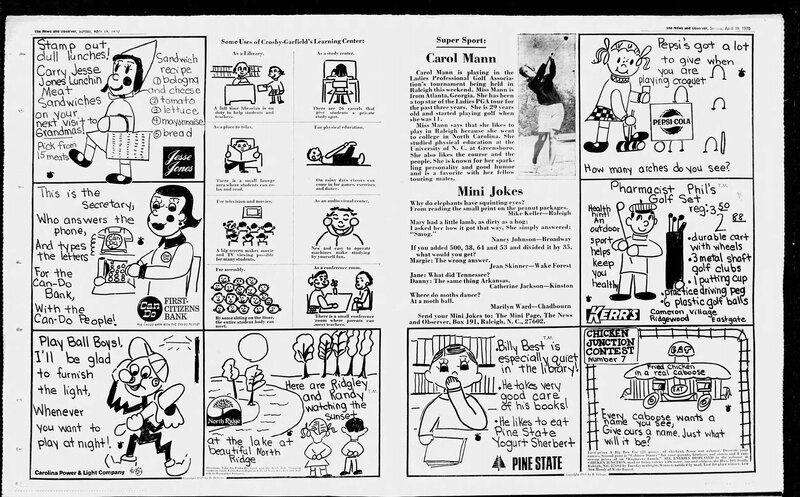
The Mini Page’s earliest advertisers were Raleigh-based businesses. Betty single-handedly sold and drew every ad. Frequent advertisers included pharmacies, music shops, school supply stores, banks, children’s shops, utility companies, pet shops, and even suburban developments.
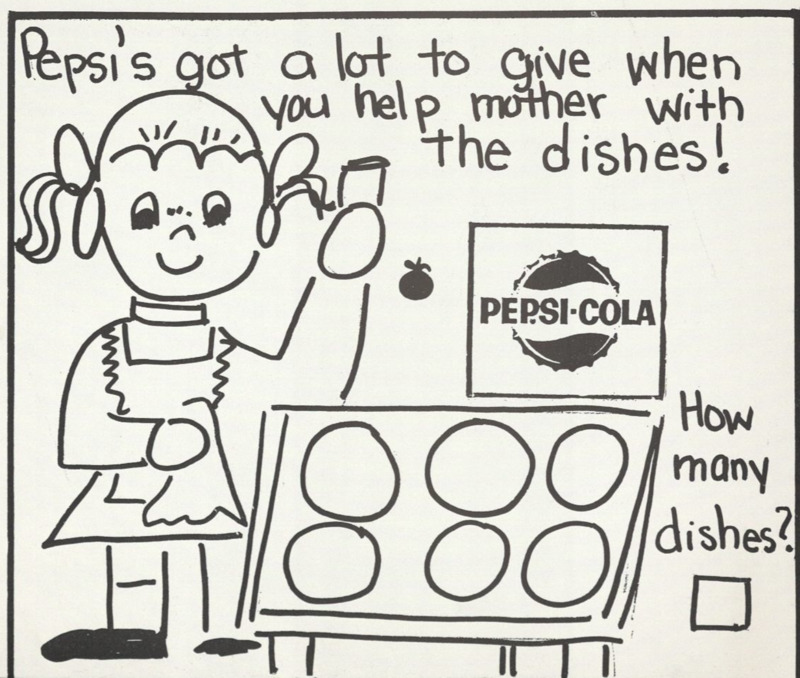
They also included food businesses such as Jesse Jones (for whom Betty created spokes-dogs Frankie and Frances Furter), Pine State Creamery (frequently repped by character Billy Best), downtown Raleigh’s Chicken Junction (illustrated with its trademark caboose), Gordon’s Potato Chips (with quite a crunch to them), and–most notably–Pepsi-Cola (which seems to really “pour it on,” according to ad copy).
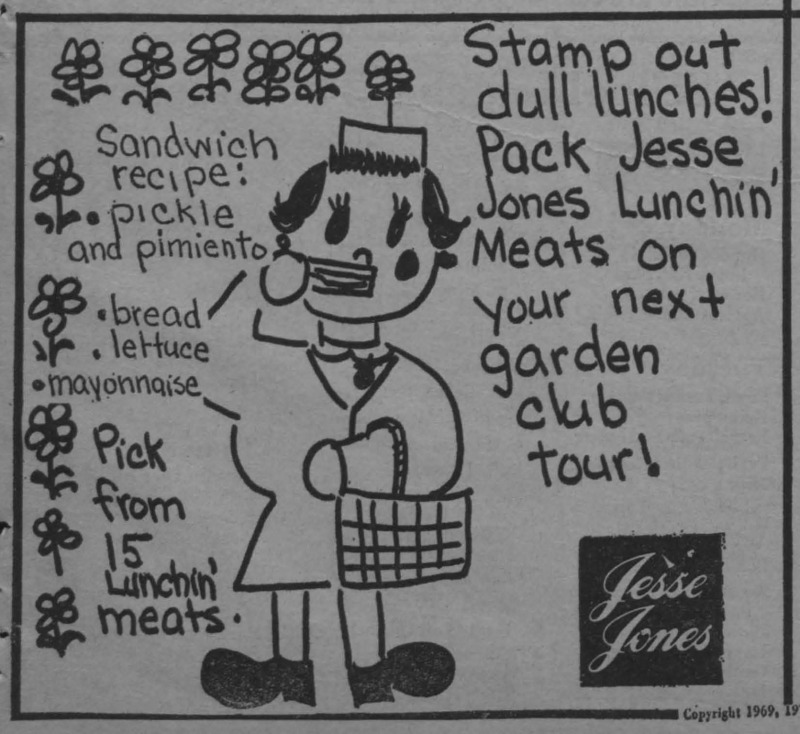
Betty's intention with these ads was to make them something more, to imbue them with an educational twist. From a 1969 interview with The News and Observer:
.
"[...] the ads in "The Mini Page’ are designed not merely to advertise but to teach in a painless sort of way. In today's issue the soft drink ad teaches counting; the music ad is an abbreviated music lesson; the drug store ad teaches good health; the shopping center ad, good manners.” [9]
.
Though the educational merit of these advertisements may be up for debate, these illustrations certainly gave young readers something to look at. (And color in.)
Expansion and Localization
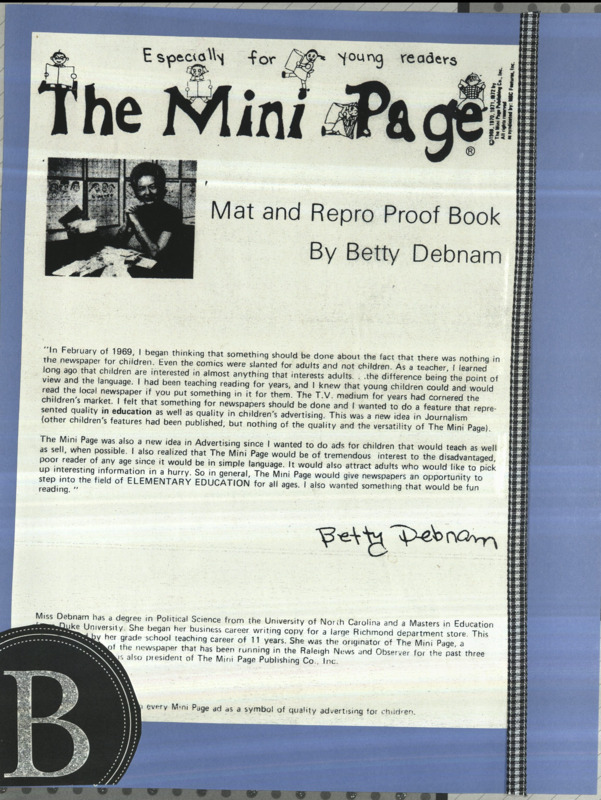
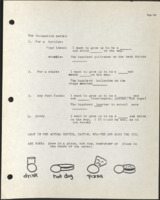
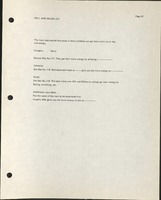
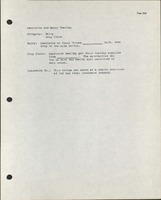
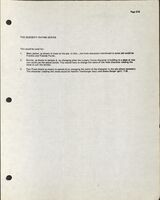
As the feature spread to new markets across and beyond North Carolina, the Mini Page and MSC Features, Inc developed a portfolio of standardized, customizable ads, which they compiled into a “mat book”. Individual papers could then work their own advertisers into the mix. Advertiser types could be divided into non-food businesses (banks, insurance agencies, shops, pharmacies, and planned housing developments) and food businesses (bottlers, meat-packers, dairies, cafeterias, fast food chains, and snack brands).
The book collects mat releases according to various series, some tied by general theme (as in the “Occupation Series”, "Nursery Rhyme Series”), by specific characters (Henry and Henrietta Healthy, Will and Wilma Go, Frankie and Frances Furter), and even sponsor-specific ads (Pepsi, Gordon’s Chips, Pine State).
.
From The Mini Page Mat Book,
an introduction followed by ad copy suggestions
and instructions for different campaigns.
Conclusion
By 1977 The Mini Page no longer relied on advertisers,[10] but the impact of these advertisements outlasted their origin as a source of revenue. It was in these food ads where the first of many Mini Recipes could be found. An appetite for simple, kid-friendly recipes appealed enough to become a mainstay of the Mini Page. Mini Recipes would eventually have their own mascot (Rookie Cookie) and even spin off into several cookbooks: The Mini Page Kids' Cookbook (1978), Mighty Funny Party Book (1979), and the Rookie Cookie Cookbook (1989).
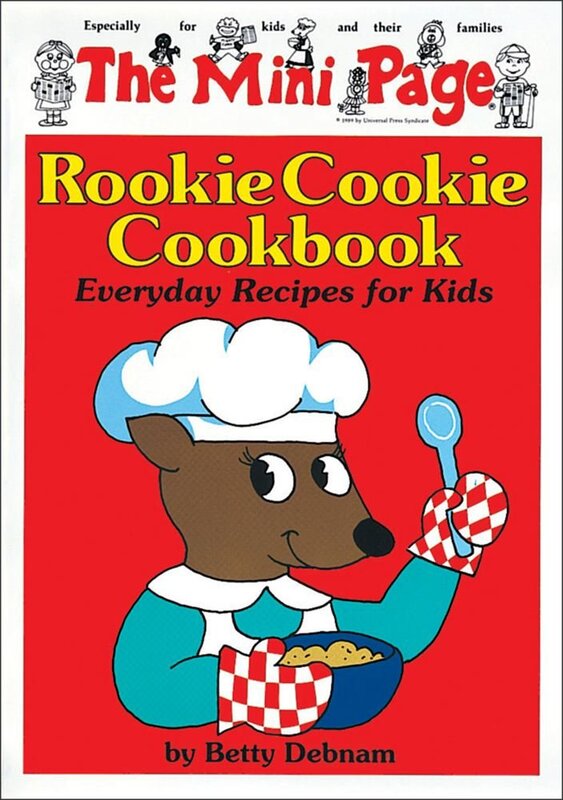
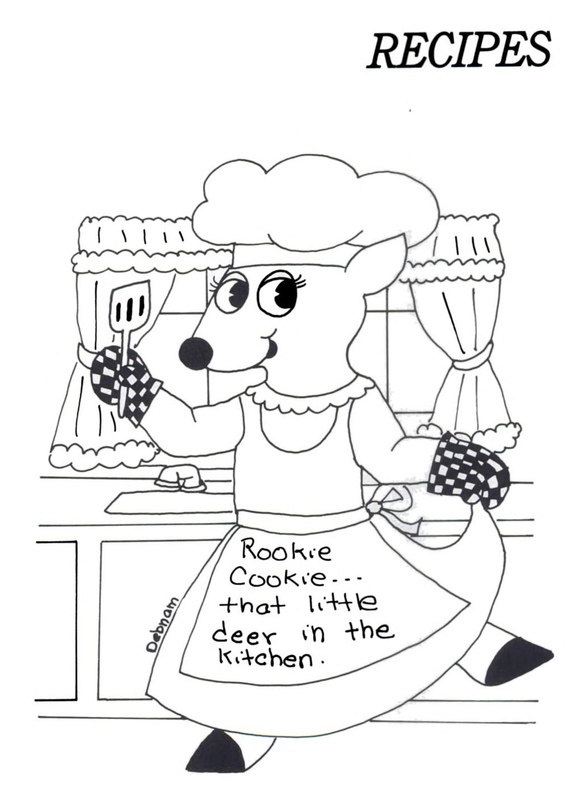
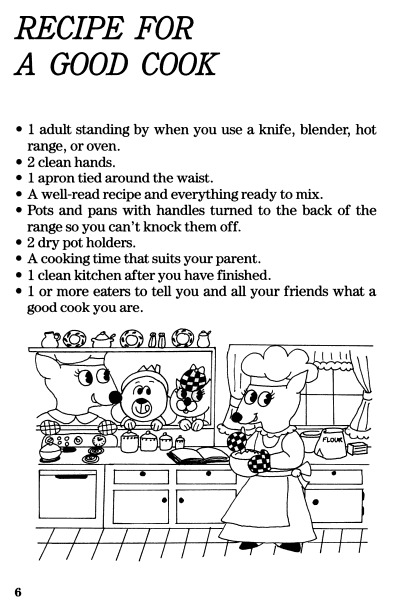
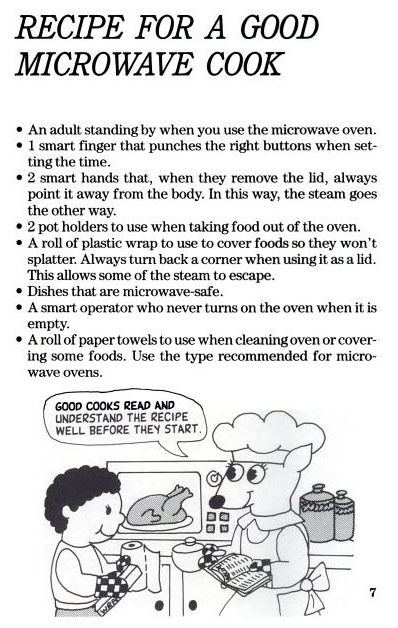
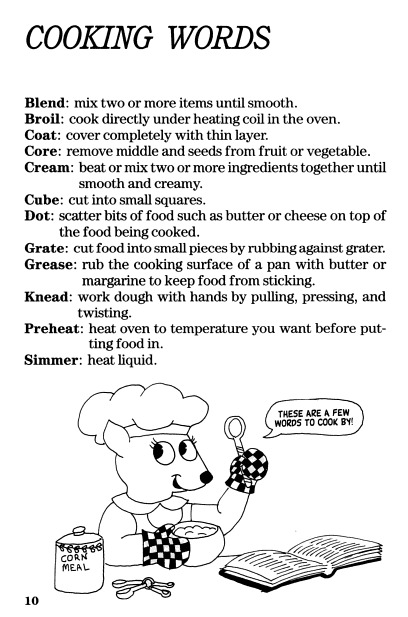
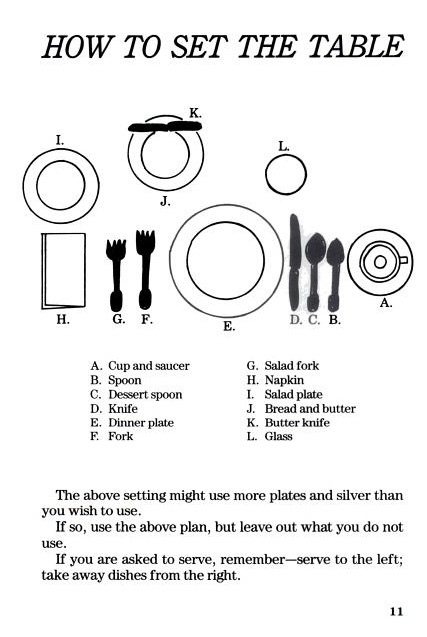
Debnam, Betty. Rookie Cookie Cookbook. United States: Andrews McMeel Publishing, 1989.
References
[1] Ellis, Morgan. 2014. “Betty Debnam: A Legacy of Learning.” UNC School of Education, June 23. https://ed.unc.edu/2014/06/23/legacy-of-learning/.
[2] North Carolina Awards Committee. 2005. North Carolina Awards. With State Library of North Carolina. North Carolina Awards Commission.
[3] Dignity Memorial. 2020. “Obituary: Betty Debnam Hunt.” November. https://www.dignitymemorial.com/obituaries/raleigh-nc/betty-hunt-9884881
[4] WRAL. 2020. Reflecting on Raleigh Native, Founder of “Mini Page,” Who Passed Away at 91.
[5] North Carolina Awards Committee. 2005. North Carolina Awards. With State Library of North Carolina. North Carolina Awards Commission.
[6] North Carolina Awards Committee. 2005. North Carolina Awards. With State Library of North Carolina. North Carolina Awards Commission.
[7] “From Your Front Lawn to Your Computer Screen.” n.d. Accessed March 16, 2026. https://www.lib.ncsu.edu/news/focus/your-front-lawn-your-computer-screen.
[8] Lacy, Bridgette A. 2020. “Betty Debnam Hunt, Pioneering Creator of The Mini Page for Kids, Has Died.” Raleigh News & Observer, November 3. https://www.newsobserver.com/news/local/article246905037.html.
[9] The News and Observer. “Mini Page Originator No Stranger to Papers.” August 31, 1969, 8. Newspapers.com.
[10] Lacy, Bridgette A. 2020. “Betty Debnam Hunt, Pioneering Creator of The Mini Page for Kids, Has Died.” Raleigh News & Observer, November 3. https://www.newsobserver.com/news/local/article246905037.html.


